Previous
Next
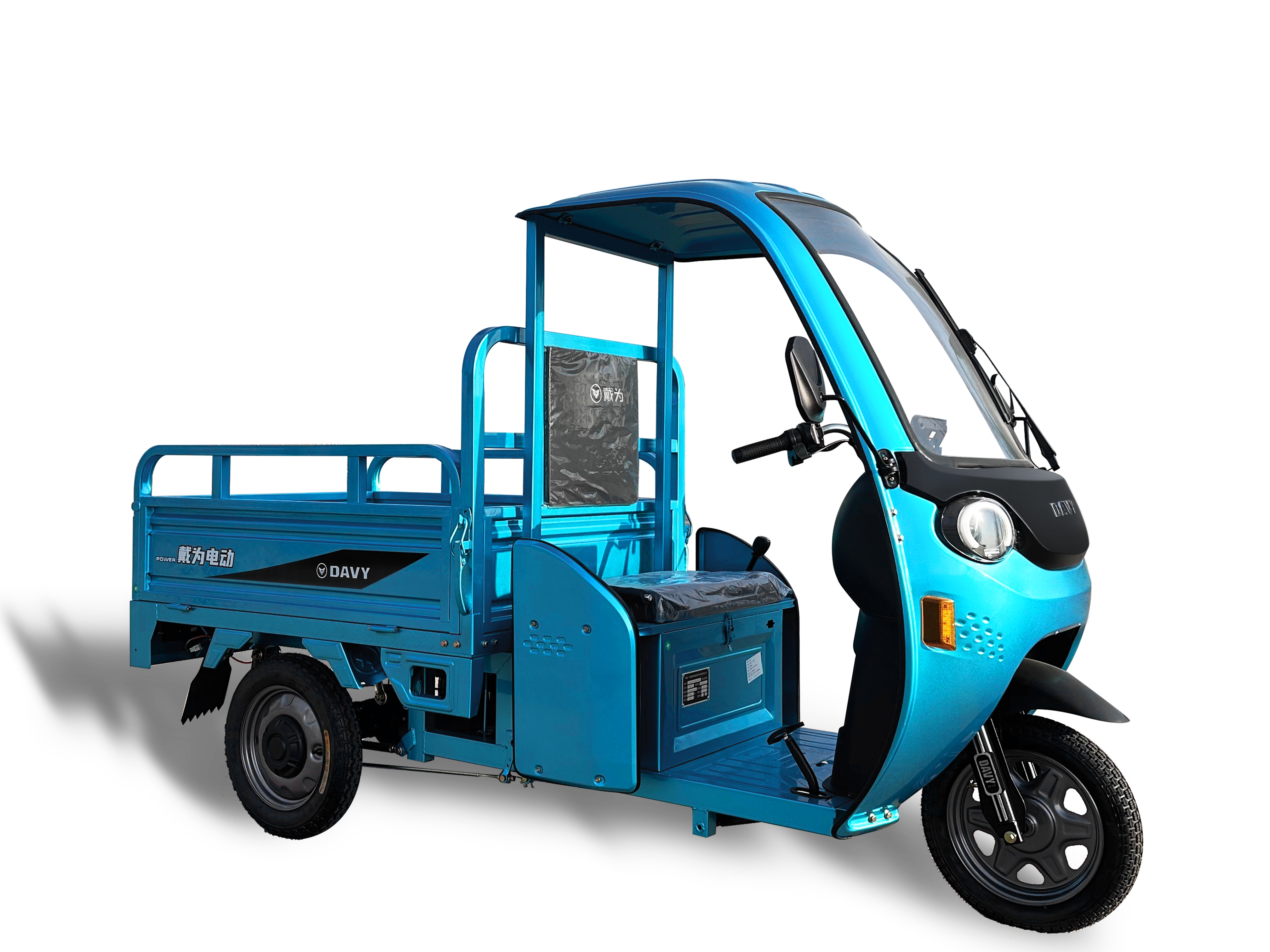
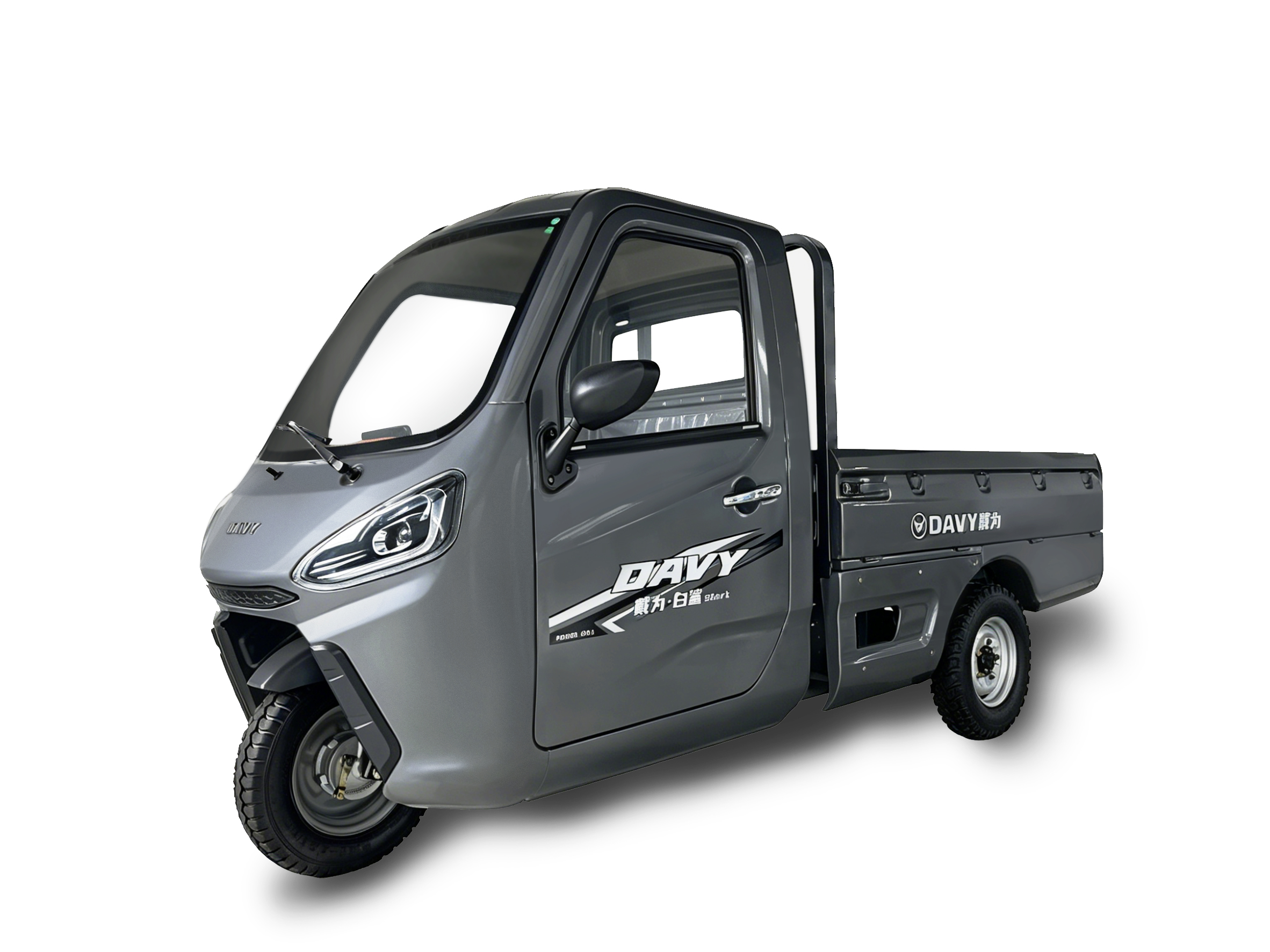
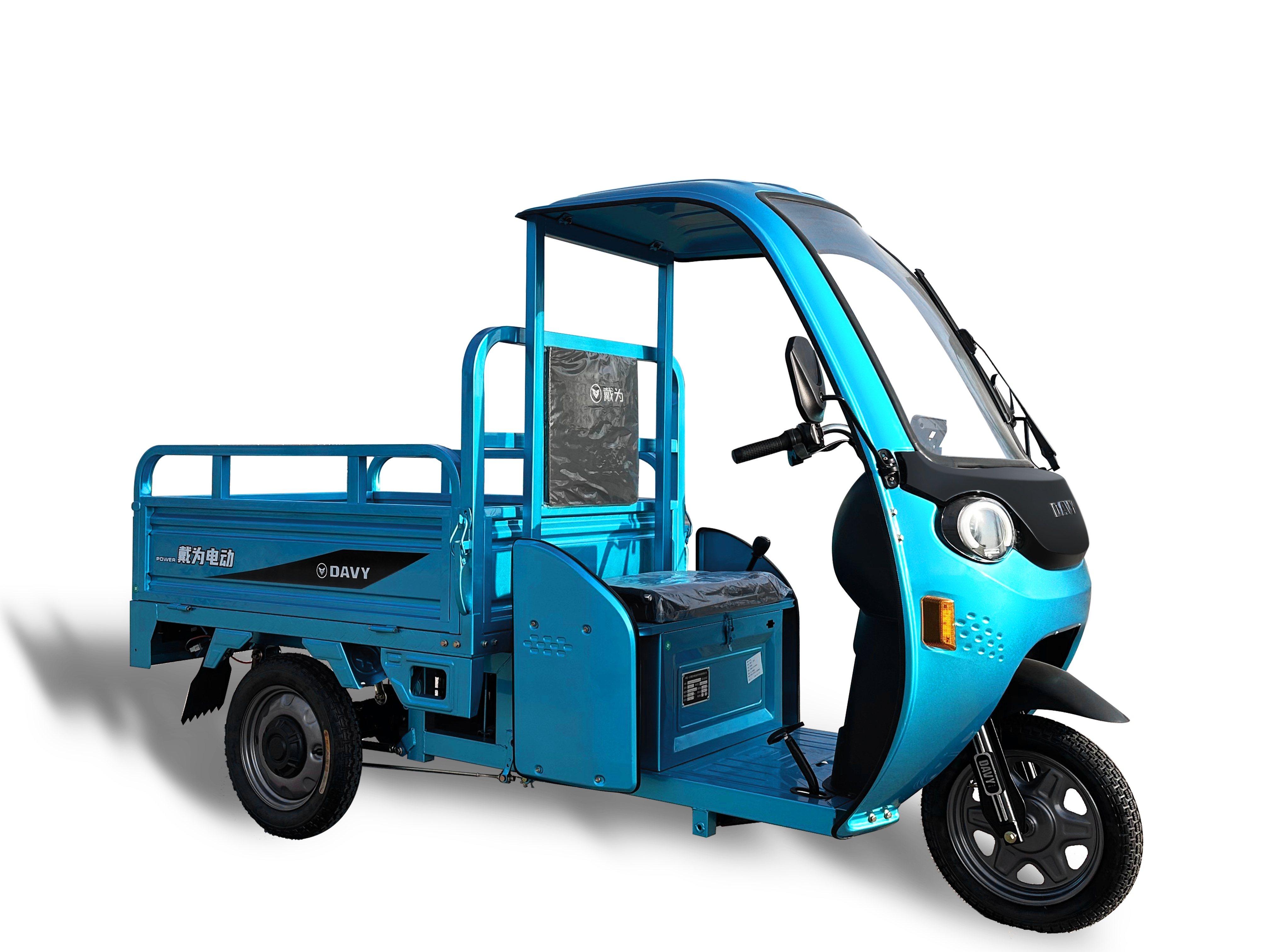
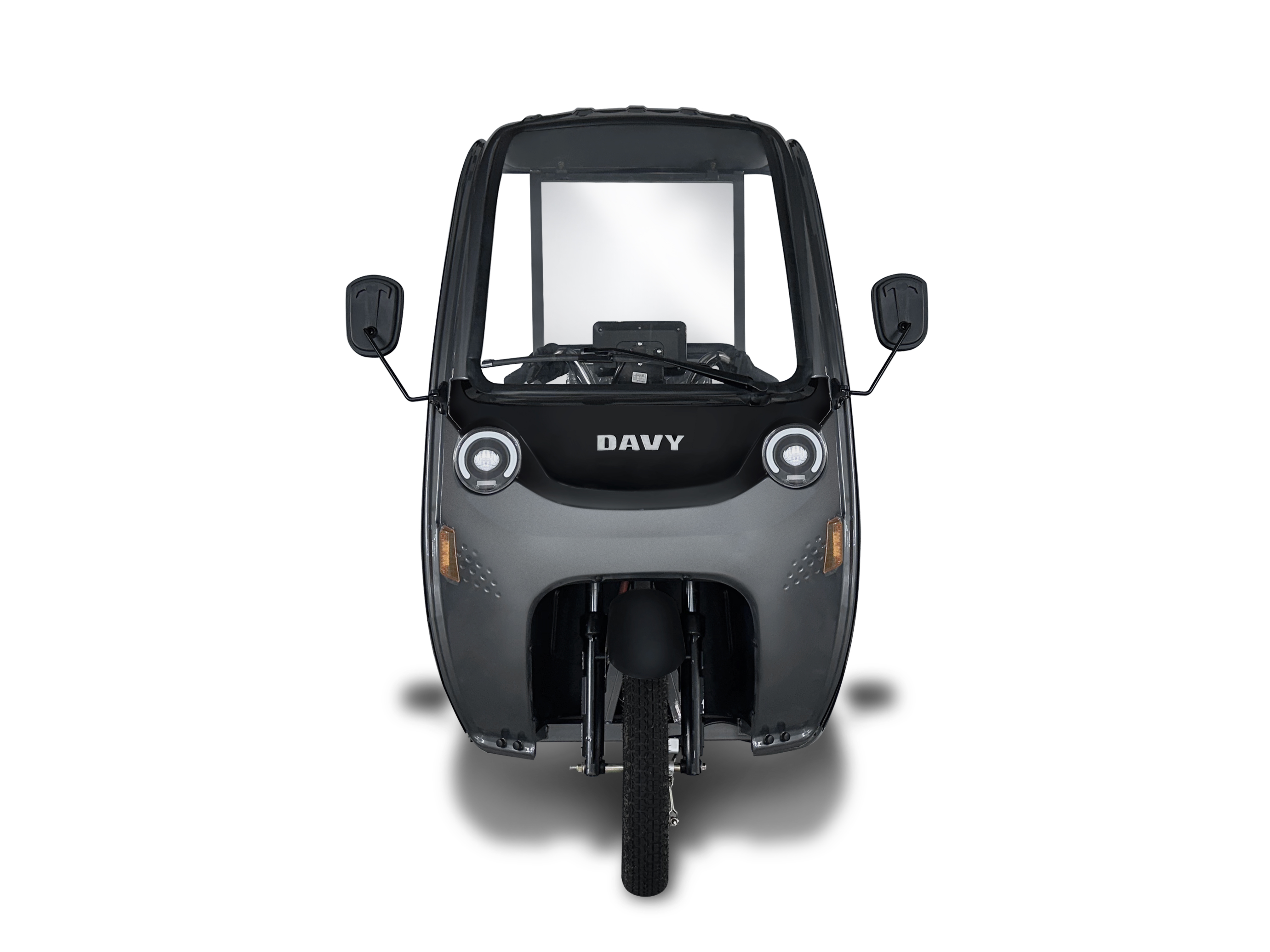
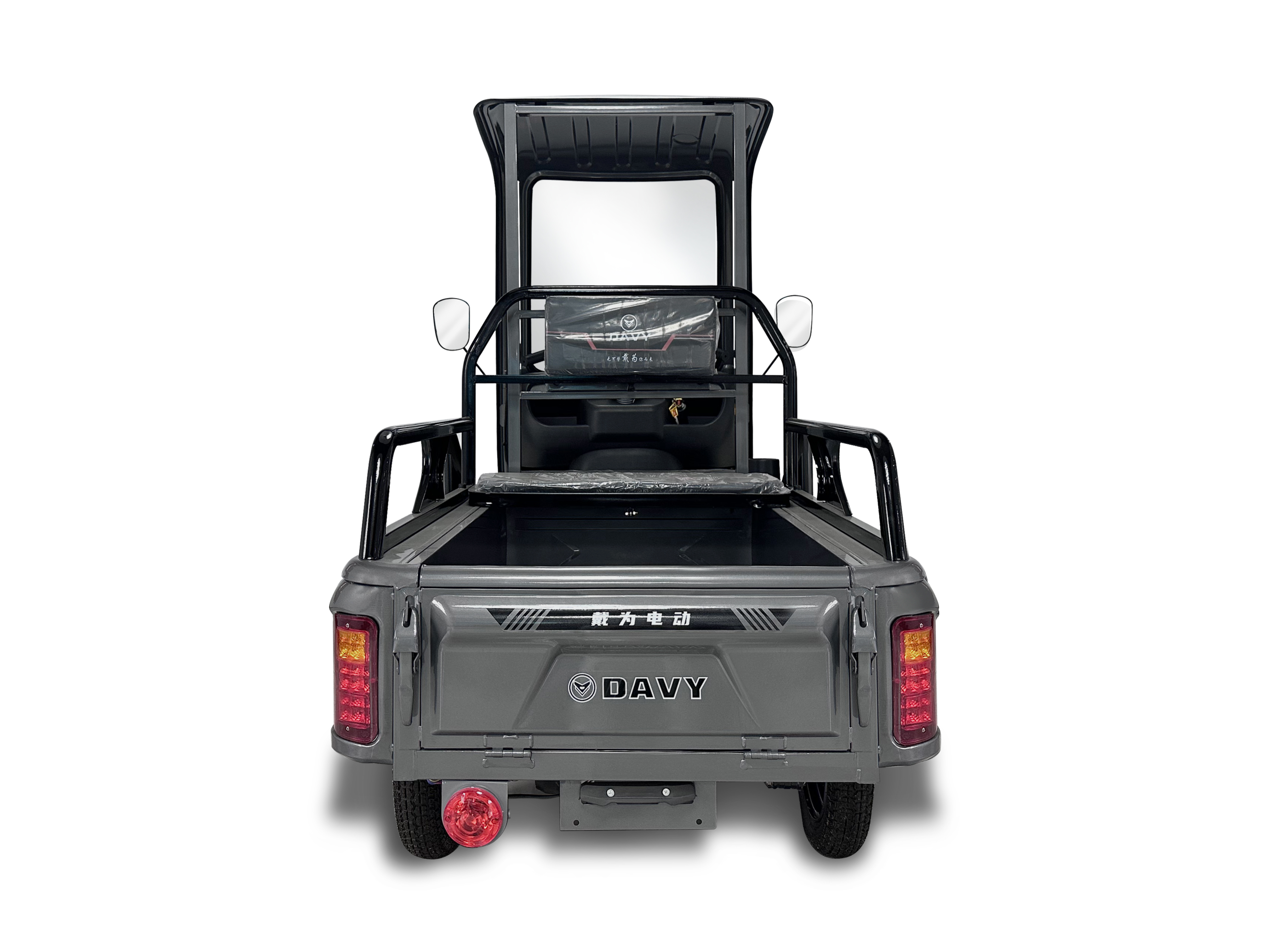
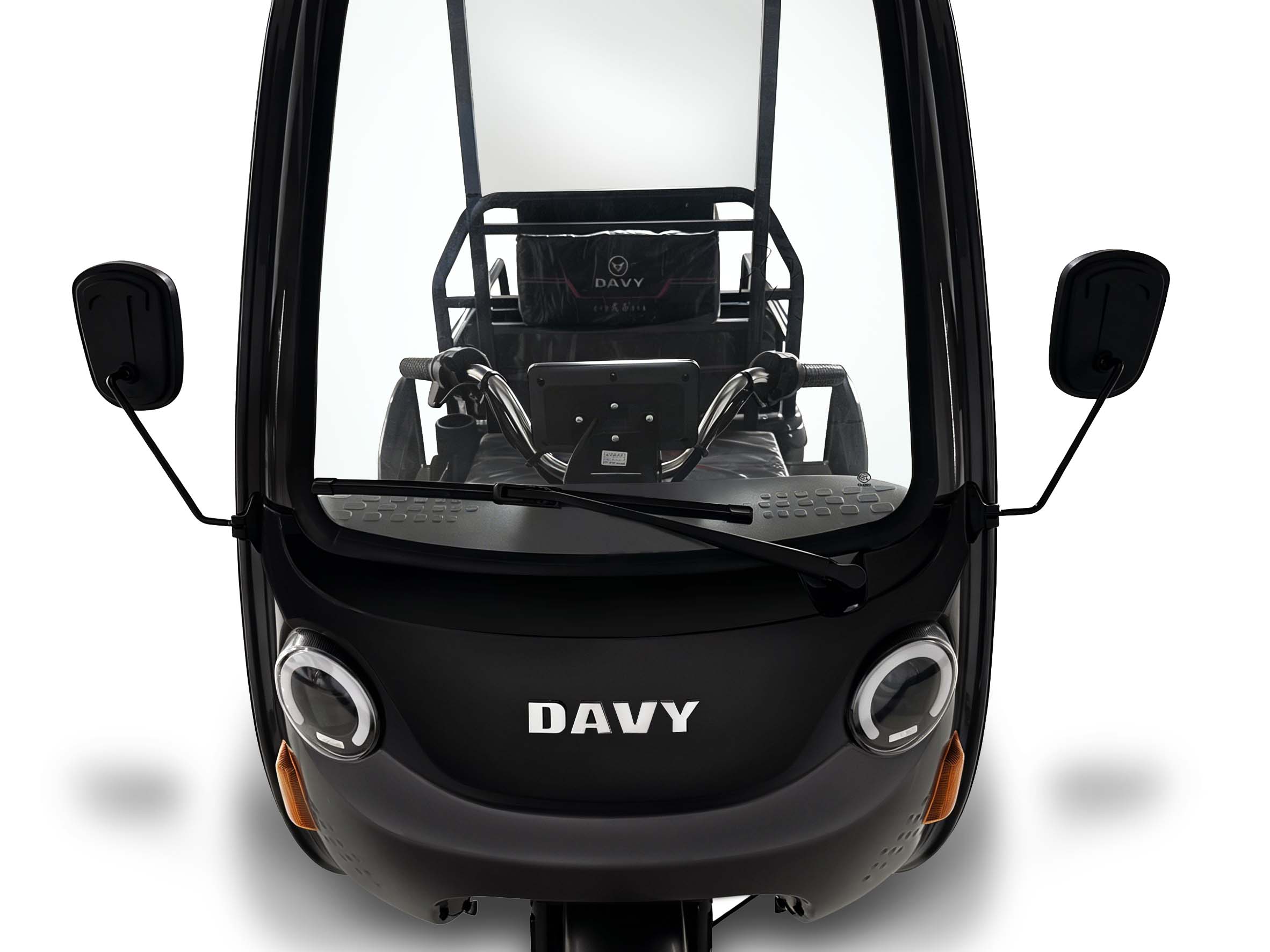
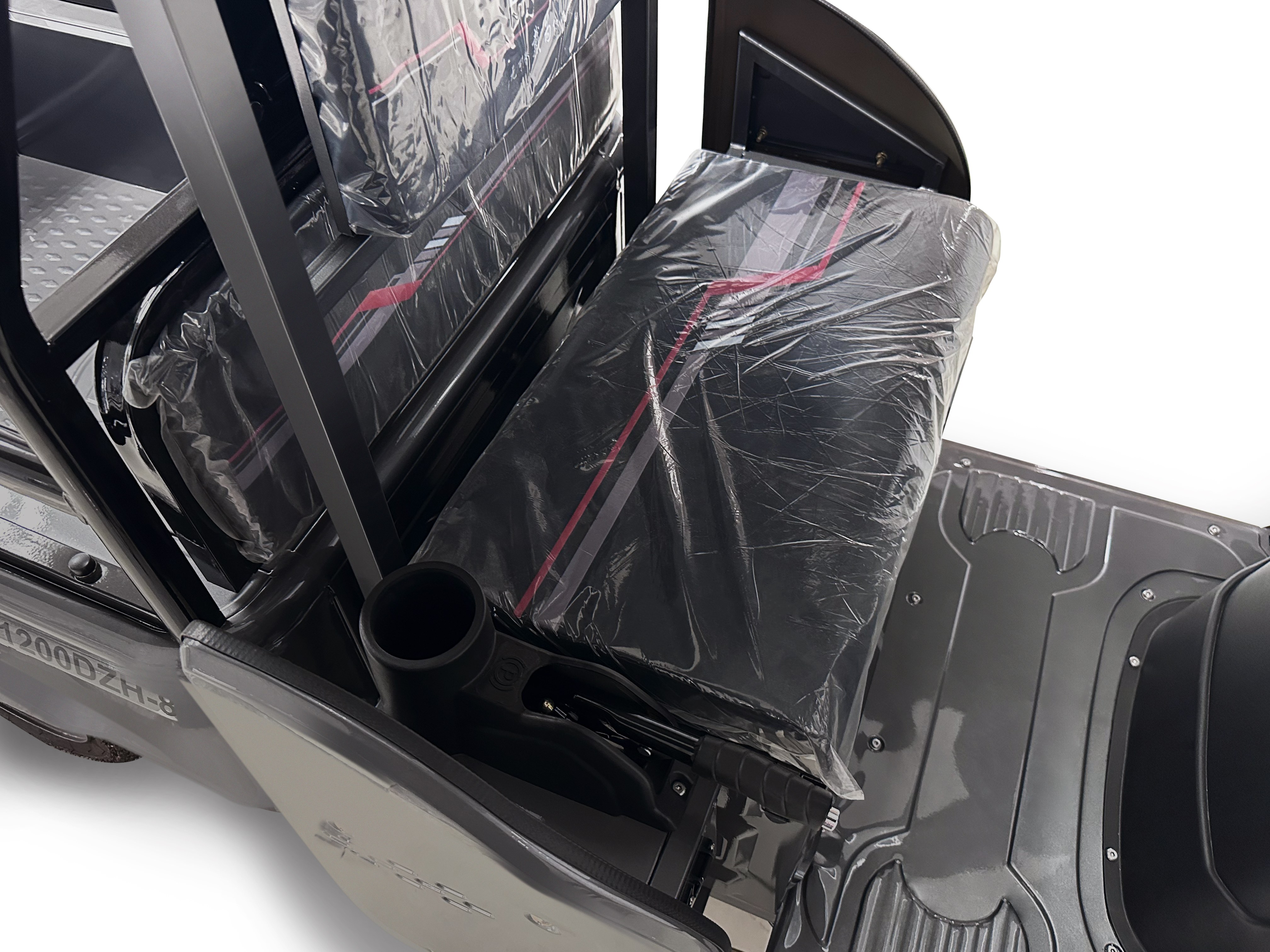
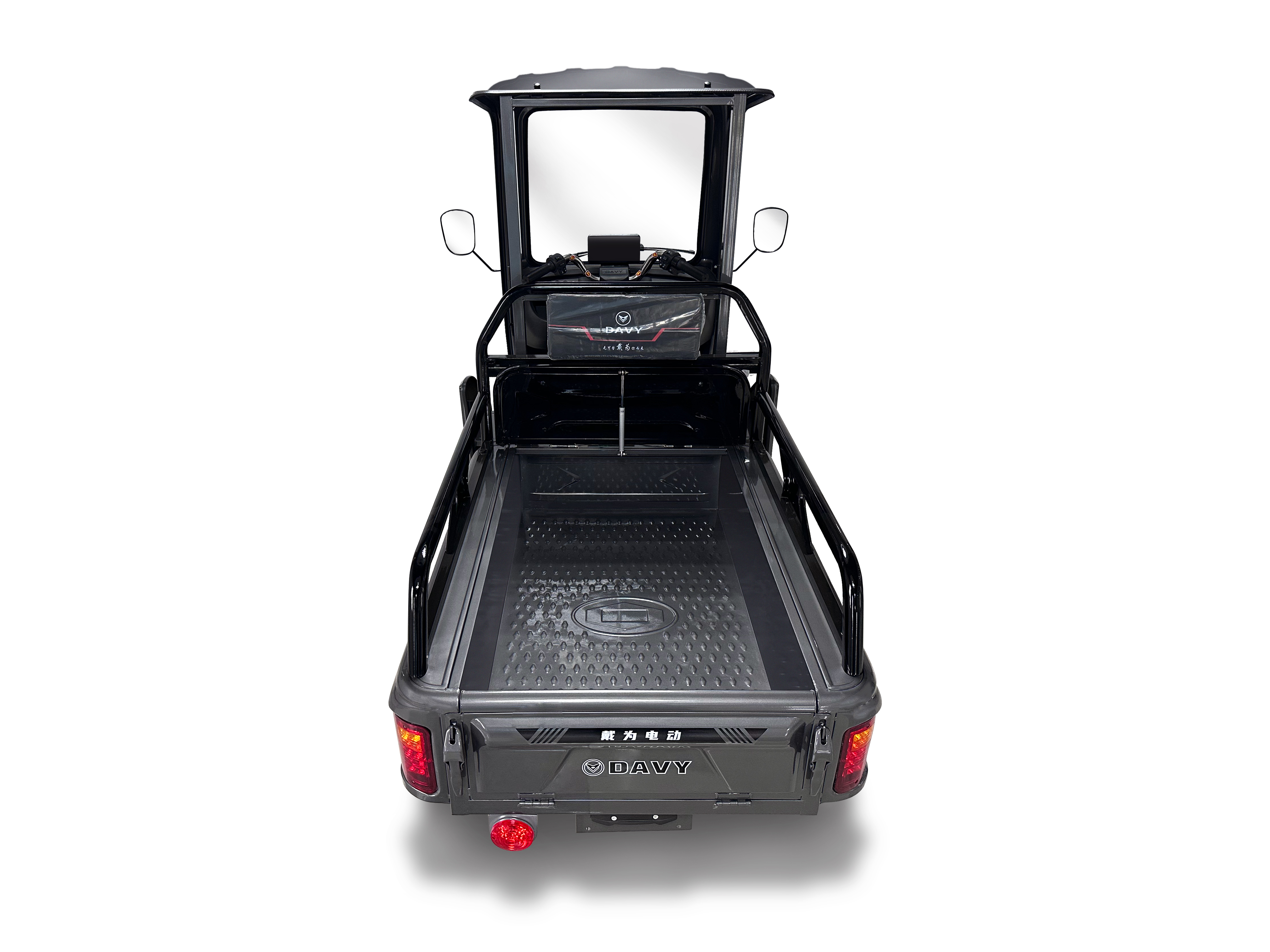
Electric Cargo Passenger Tricycle with 1000W Motor with EEC
Performance Characteristics
1. The vehicle features a streamlined, rounded design with smooth lines, offering durability and robustness, as well as a fresh and attractive appearance. The materials used are sturdy and resistance to deformation under pressure.
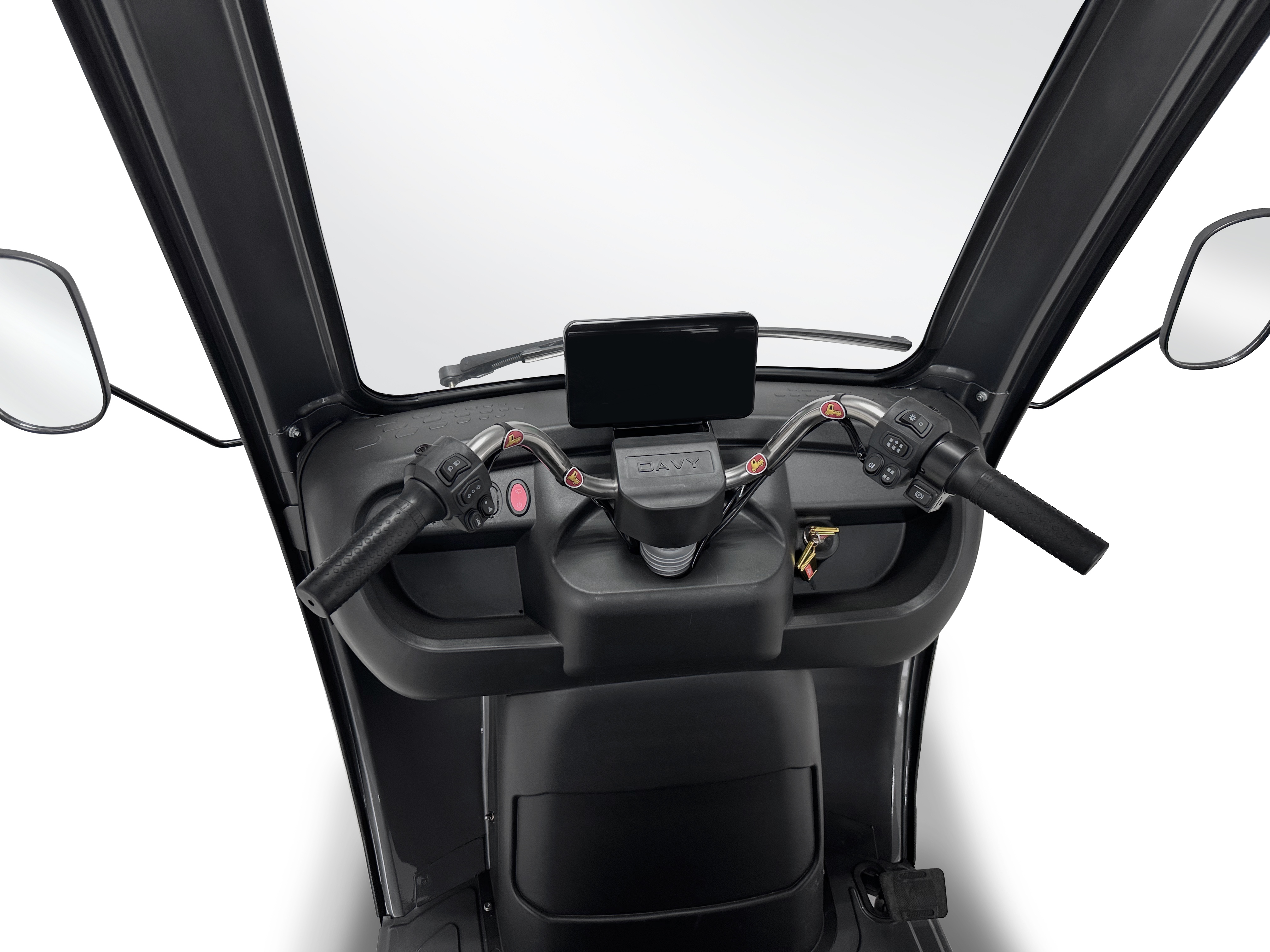
2. Equipped with front headlights, turn signals, and integrated rear combination lights; electric horn and reverse gear voice warning system; includes one manually adjustable side mirror on each side;
3. A sleek and modern LED dashboard, high-gloss ABS front grille, showcasing human-centric design elements;
4. Vehicle exteriors are customized according to customer requirements,including spray-painted finishes and reflective warning signs(rear reflectors) at the rear of the vehicle;
5. Advanced production processes with high standardization,including sheet metal stamping, automotive spot resistance welding, cathodic electro-coating, and assembly line final assembly.
Technical Specifications
Item | Parameter |
Vehicle size: mm | 2480*910*1650 |
Carriage size: mm | 1140*910*250 |
Wheelbase:mm | 1770 |
Track Width:mm | 770 |
Load capacity:kg | 150 |
Curb weight: kg | > 175 |
Battery capacity | 72V32AH |
Standard voltage:V | 60 |
Power of walking model:W | 1000W |
Controller | 15-tube Controller |
Tire Size | 3.0-12 front; 3.0-12 rear |
Control walking mode | Push-button type |
Braking method | Mechanical Drum type |
Maximum gradient | ≥15° |
Voice-Controlled reverse system | Controllable Reverse Voice Alert System |
Usage Instructions for Key Electrical Components
I. Motor Usage and Maintenance
1. The motor must not operate under no-load conditions during use.
2. During motor operation, prolonged overload is strictly prohibited.
3. During motor operation, maintain a clean environment with dry and unobstructed airflow.
4. During motor operation, prevent debris and soil from entering the motor to avoid damage.
5. During motor operation, regularly inspect the screws connected to the motor. If any are loose, tighten them promptly.
6. The motor should be maintained regularly during use.
II. Use, Charging, and Maintenance of Batteries
chargeing of accumulators
Charging: Insert the charger's output plug into the vehicle's charging port, then connect the charger's power plug to the AC power outlet (insert the power plug afterward!). At this point, the red indicator on the charger will light up.
The indicator light turns on, indicating that the power supply is connected and the device has entered the charging state. When the green indicator light is on, the battery will be fully charged after an additional 1–2 hours of charging. Upon completion of charging, remove the charger from the device.
Remove the plug from the vehicle's charging port (first remove the power plug).
Battery Maintenance
(1) While cycling, when the battery voltage is low and the controller activates under-voltage protection, avoid repeatedly opening and closing the battery switch or forcing continuous electric cycling, as this will cause excessive battery discharge and severely shorten its lifespan.
life 。
(2) Perform battery maintenance every one to two weeks: after the green light turns on during charging, continue charging for approximately two hours before disconnecting. This practice extends the battery's service life.
(3) When electric vehicles are not in use for an extended period, the battery should be charged monthly as usual; prolonged "undercharging" is strictly prohibited.
Usage Instructions for Key Electrical Components
matters need attention :
1. New batteries should be stored in a dry, well-ventilated area free from direct sunlight, with room temperature maintained between 5–40°C, and kept at least 2 meters away from heat sources. They must not be inverted or placed horizontally, and should not be exposed to any external influences.
Mechanical impact and heavy pressure must be avoided; contact with any liquids or hazardous substances should be prevented, and the material must not fall into any metal or impurities.
2. The battery should be kept away from sparks, flames, and other open flames.
3. If the battery exhibits abnormal conditions and you are unable to resolve them independently, promptly contact the after-sales service center for assistance.
Several factors during battery operation affect its lifespan:
1. Frequent battery discharge (over-discharge), followed by delayed charging (resulting in plate sulfation).
2. Long-duration high-current charging (overcharging).
3. The effect of ambient temperature on battery capacity.
4. The charging process of a battery converts electrical energy into chemical energy, which is stored within the battery plates. The discharge process reverses this chemical energy back into electrical energy to power the electric vehicle. The higher the temperature,
The faster the energy conversion rate, the lower the temperature; conversely, the slower the energy conversion rate, which is the primary reason for the reduced driving range in winter.
III. Disposal Methods for Used Batteries
When a user's vehicle performance is affected by battery issues, the after-sales service center shall inspect the battery, determine it as obsolete, and handle it in accordance with the following procedures:
(a) For batteries within the three-warranty period, they shall be replaced in accordance with the warranty standards. The replaced batteries shall be centrally managed, stored, and returned to the company by the after-sales service center, after which the company's after-sales department will compile the records and submit them accordingly.
This matter will be handled uniformly by qualified battery manufacturers.
(b) For used batteries beyond the three-year warranty period, the dealer shall purchase them at a price 5% higher than the local scrap value and provide a compensation-based trade-in offer; the difference shall be borne by the user. The recovered batteries shall be processed accordingly.
Waste batteries are stored at the after-sales service station and returned to the company, where the after-sales department coordinates with qualified battery manufacturers for disposal.
Usage Instructions for Key Electrical Components
(c) For used batteries purchased by users from non-company supply chains, users must be informed that they cannot dispose of them themselves and must submit them to the nearest qualified facility for processing. Our after-sales service center is not responsible for such sales.
Post-sales service is available, including waste battery recycling services, which follow the procedures outlined in Section B.
pay attention to :
1. Do not dispose of used batteries indiscriminately to avoid environmental pollution.
2. Used batteries must not be disposed of privately; their recycling is handled by the after-sales service center of Jiangsu Daiwei New Energy Vehicle Technology Co., Ltd.
IV. Use and Maintenance of the Controller
1. The controller should be inspected after power shutdown, at least once every three months.
2. All functions of the controller are pre-adjusted upon factory delivery; the unit should not be disassembled or modified during inspection.
3. The controller wiring shall not be adjusted; after disconnecting the power supply, the capacitor within the controller's power unit must be allowed to discharge for several minutes.
4. Regularly clean dust and debris from the exterior of the controller; never rinse electrical components with water. Use a brush or high-pressure gas to remove dust.
5. Do not operate the forward/reverse switch while the vehicle is in motion to avoid damaging electrical components.
6. Electrical repairs should be performed by qualified electricians using genuine original manufacturer parts.
maintenance
1. Maintain the battery in a clean and dry condition, preventing contamination and moisture accumulation; ensure that the connecting cables are secure and free from loose connections to avoid leakage current damage to electrical components.
2. For vehicles that have not been used for an extended period, the battery should be recharged once per month.
3. During mechanical rotation, promptly apply lubricating oil to the operating components to ensure smooth operation and minimize wear.
4. Regularly inspect the reliability of contact points in all circuits (e.g., wire connections, controllers, power-off protection switches, speed regulators, and motor wiring), ensuring no signs of loosening are present.
The main circuit section (motor–controller–power-off protection switch–speed control handle–motor's main conductor) carries high current; therefore, ensure all circuit contact points maintain proper contact.
5. During normal use, if any unresolved issues are encountered, please take the vehicle to a authorized dealer or service center for repair. The company shall not be liable for any faults or damages resulting from unauthorized disassembly of the vehicle.
Provide free repairs.
6. Replace the gear oil immediately after two months of vehicle use, and thereafter every six months. When shifting gears, reduce the speed to protect the differential.
Dry battery maintenance:
Never store batteries in a low-power state. This condition occurs when batteries are not charged promptly after use, leading to sulfation and the formation of lead sulfate crystals on the plates, which block ion pathways and result in insufficient charging.
The battery capacity decreases. The longer the battery remains under a discharged state, the more severe its damage becomes. When the battery is not in use, it should be charged once per month to extend its service life.