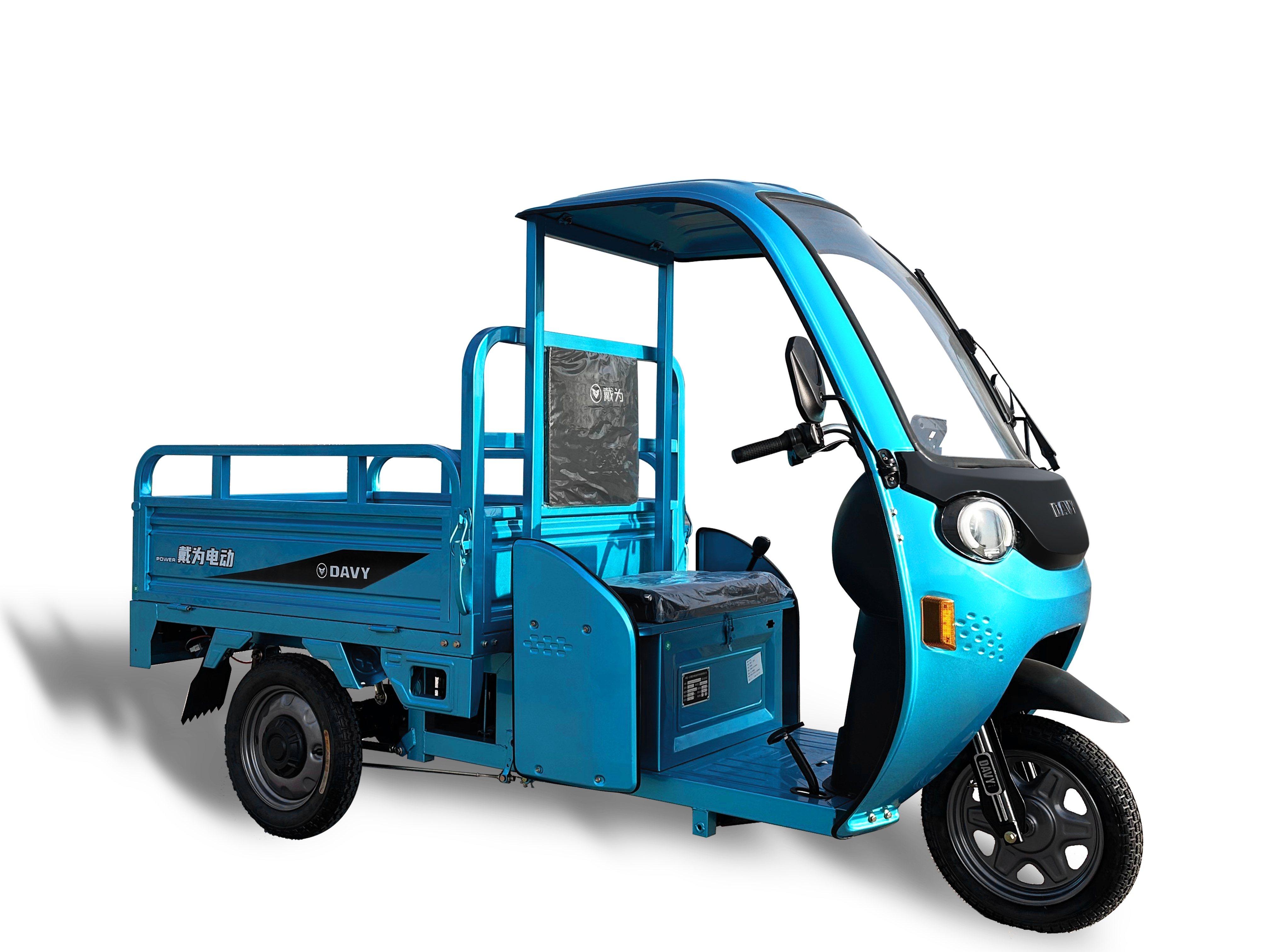
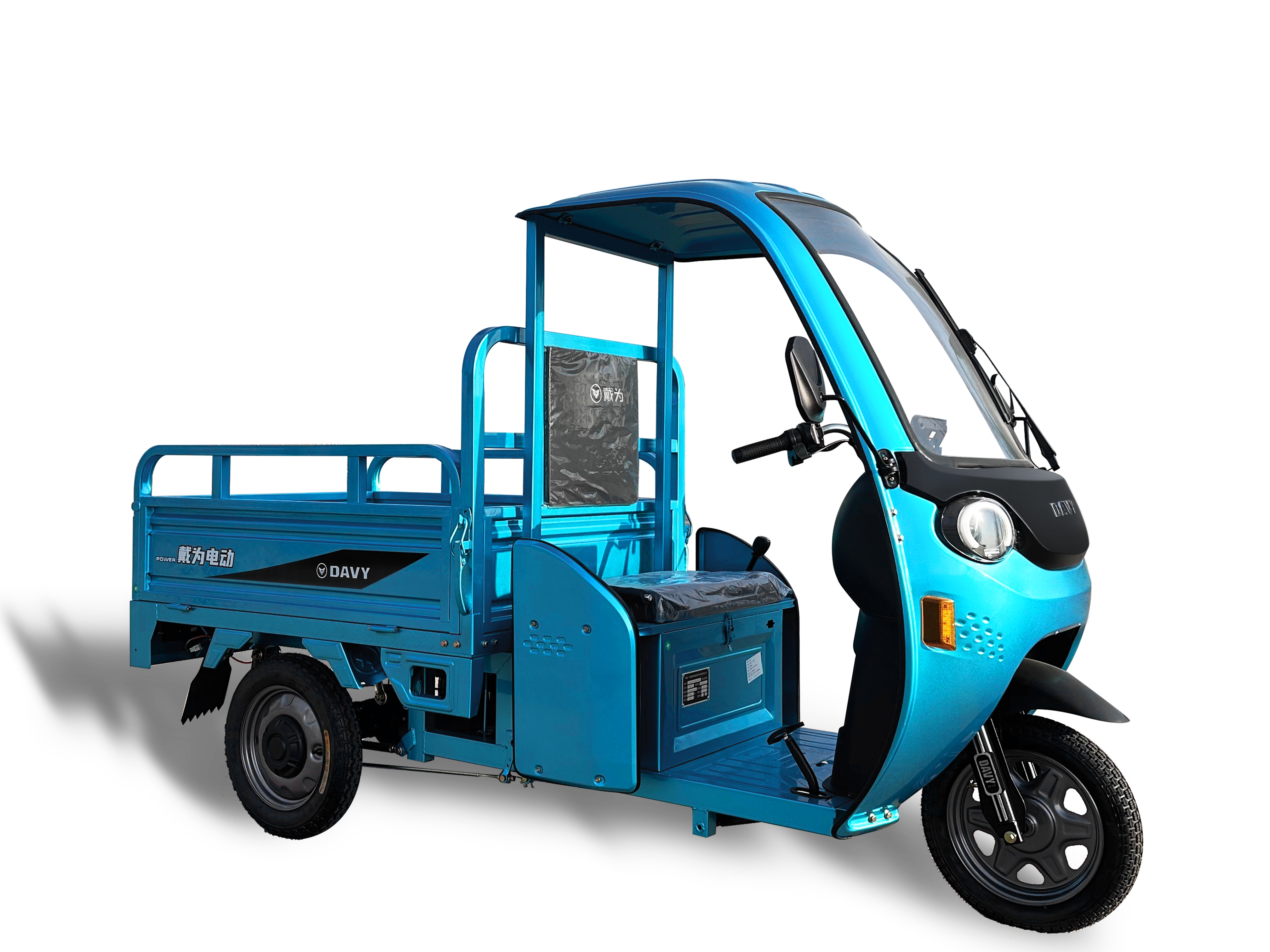
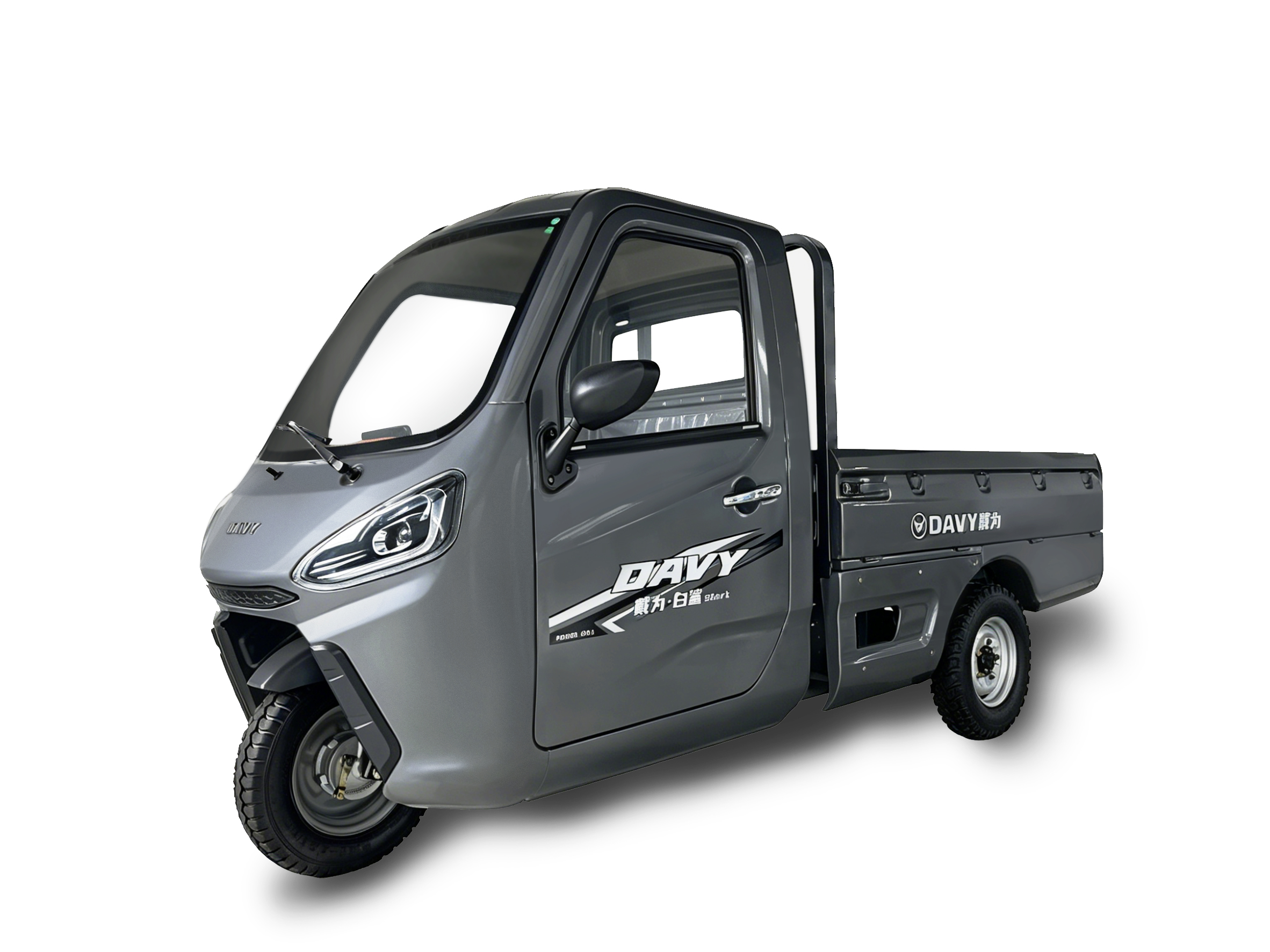
A Comprehensive Guide to Scientific Charging for Electric Three-Wheeled Vehicles
1. Pre-charging Preparation: Optimal Environment and Temperature Control for Storage
Before charging, ensure your Davy electric tricycle is parked in a dry, well-ventilated area away from flammable materials. Although the vehicle features an advanced adaptive regulation system that precisely maintains the battery within its optimal operating range of 20°C–25°C, manual monitoring remains required during extreme weather conditions. After riding in summer heat, leave the vehicle idle for at least 30 minutes until the battery surface temperature drops below 40°C before charging; in winter cold environments, store it in a room with temperatures above 5°C to ensure optimal battery charging efficiency and chemical activity.
II. Standardized Connection: Adhere to the principle of "connect the vehicle first, then apply power".
Only use a charger that is fully compatible with the vehicle battery's nominal voltage and rated current, either original equipment or certified. Before charging, first ensure the vehicle's main power supply is turned off; then insert the charger's output terminal vertically and securely into the tricycle's charging port, confirming the latch engages properly. Next, connect the charger's input terminal to a grounded wall outlet. Under no circumstances should the charger be plugged or unplugged while powered on, as this may cause transient surges or arc discharge that damage the connector's coating.
III. Process Monitoring: Dynamic Observation and Duration Control
After starting the charging process, closely monitor the charger's indicator lights (a continuously lit red light indicates normal charging; a green light staying on signifies full charge). The battery management system of electric vehicles automatically performs constant-voltage charging. For lead-acid batteries, a single charge typically takes 8–10 hours, while lithium batteries usually require only 1–2 hours to fully charge. During charging, avoid placing items in the vehicle compartment that could obstruct heat dissipation. If the charger case overheats above 60°C or emits a burnt odor, immediately disconnect power and stop use.
IV. Safe Power Disconnection: Strictly adhere to the principle of "disconnect power before removing the vehicle".
When the green light on the charger turns on indicating full charge, strictly follow the power-off sequence: First, turn off the socket switch or unplug the device from the mains; second, once the indicator light has turned off, remove the charging connector from the vehicle. This procedure effectively prevents arc risks associated with plugging and unplugging while the battery is energized, significantly reducing the likelihood of connector oxidation and poor contact.
V. Daily Maintenance: Regular inspections and power replenishment when not in use
To extend battery life, clean the battery surface and charging interface with a dry cloth at least once monthly to remove dust and oxides; inspect the battery terminals quarterly for looseness. If the vehicle remains idle for an extended period (over 15 days), perform a charge replenishment every two weeks, maintaining the battery level between 50% and 60% to prevent permanent capacity degradation caused by deep discharge.