Say goodbye to random selection! Here's a comprehensive buying guide for electric tricycles
In township markets, urban logistics endpoints, or daily commuting scenarios, electric tricycles have long become indispensable all-rounders thanks to their exceptional practicality and cost-effectiveness. Yet many buyers often focus solely on price or appearance, only to discover later that the advertised range is exaggerated, the frame is rusted, and the vehicle struggles when climbing slopes.
In fact, to choose a high-quality electric tricycle that's durable, offers long-range performance, and stands the test of time, you simply need to master these four key aspects.
1. Power and Range: Reject false claims, focus on "real performance"
The core of an electric tricycle lies in its "three-electric components" (battery, motor, and electronic control system). Many low-quality vehicles play word games, claiming a range of 100 kilometers while actually failing after just 30–40 kilometers.
1)Motor configuration:
High-quality tricycles are equipped with high-power permanent magnet synchronous motors tailored to their specific models. For instance, heavy-duty pickup trucks typically require 1,800–2,500 W of robust power to maintain speed when climbing slopes under full load.
2)Battery Temperature Control Technology:
The performance of a battery depends not only on its capacity but also on its environmental adaptability. Reduced range in winter is a major industry challenge, yet companies with technical expertise have already implemented "battery adaptive regulation systems." These systems use temperature sensors for real-time monitoring and employ heating elements and fans to maintain battery temperature within the optimal operating range of 20°C–25°C, ensuring no range loss in winter and enhanced safety during summer operation.
2. Qualifications and Manufacturing Processes: Legal compliance ensures safety assurance
With the advancement of the new national standards policy, compliance of electric tricycles has become a top priority.
1) Dual Certification:
When making a purchase, the primary consideration should be whether the manufacturer holds both the "Specialized New Energy Vehicle Production License" and the "First-Class Electric Motorcycle Production License" issued by the Ministry of Industry and Information Technology. Only products with these dual certifications can be legally registered and undergo road inspections without issues.
2) Automotive-grade manufacturing processes:
The chassis of a quality vehicle determines its service life. Leading manufacturers employ four core processes at the automotive level: stamping, welding, painting, and final assembly. For instance, the frame is constructed from rectangular carbon steel tubes treated with fully enclosed electrophoretic coating, capable of withstanding over 1,000 hours of salt spray testing while ensuring no fading or rusting for three years. Both vehicle glass and steel components must obtain 3C certification to guarantee safety from the outset.
3. Human-centered design: true excellence lies in the details.
Modern electric tricycles have long moved beyond their crude, hastily assembled appearance, achieving a qualitative leap in user-friendly maintenance and safety features.
1) Convenient Maintenance:
Traditional battery replacement is time-consuming and labor-intensive, whereas the innovative design incorporates a "battery maintenance device." Without any tools, a single user can quickly remove and reinsert the entire battery pack by simply rotating and pulling the lever, significantly facilitating daily balanced charging and maintenance.
2) Safety configurations:
An advanced braking system (e.g., one-pedal three-brake system, high-capacity drum brakes) and shock absorption system (e.g., hydraulic dampers, multi-plate spring steel plates) provide robust protection against bumpy roads and sudden braking. Additionally, premium features such as a rear view camera, high-definition instrument cluster, and central door lock are becoming standard equipment in high-end tricycles.
4. Context-based car selection: Match it to your needs for optimal performance.
Different usage scenarios require matching vehicle model structures.
1)Heavy-duty transportation/instructional infrastructure:
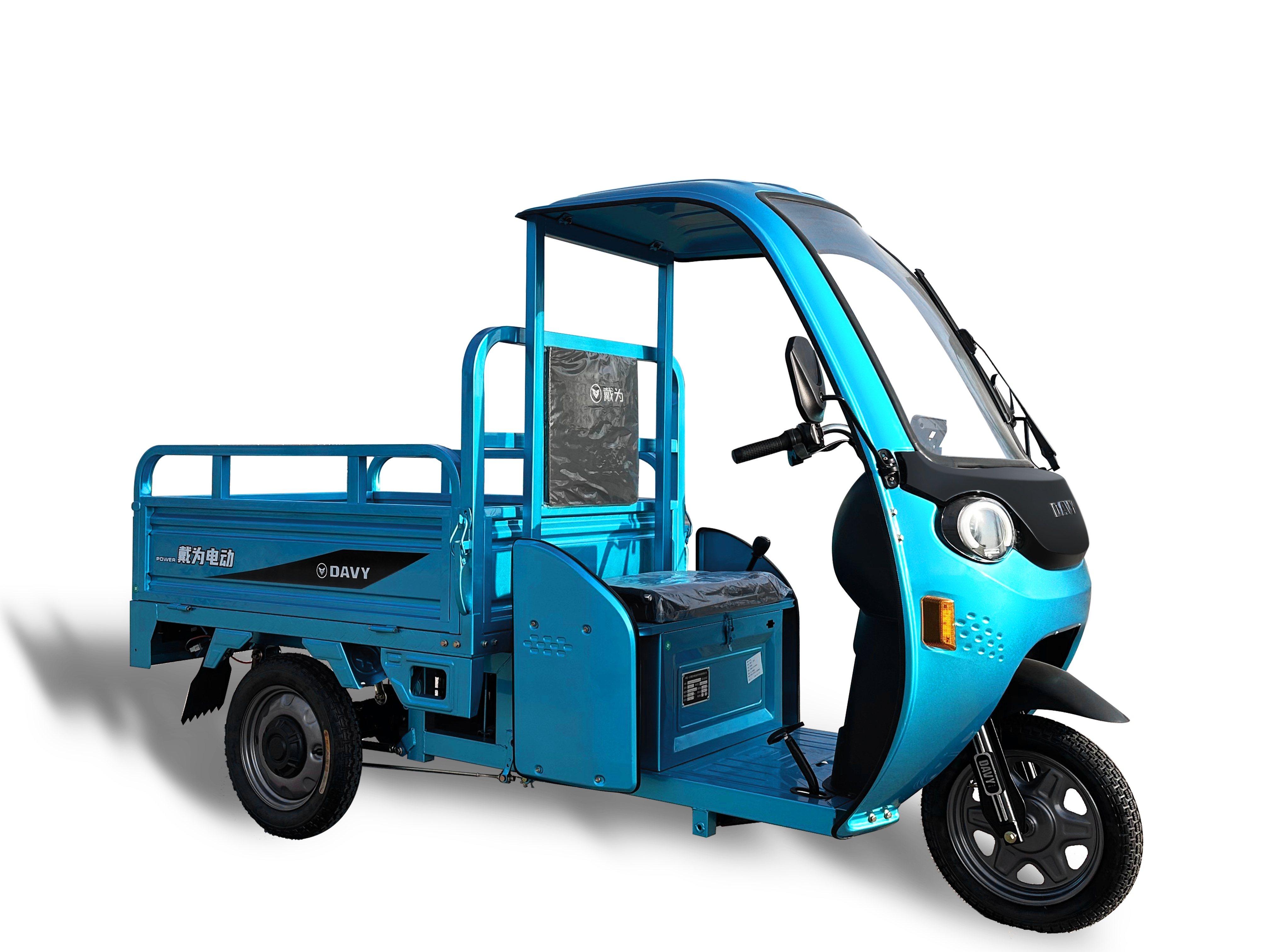
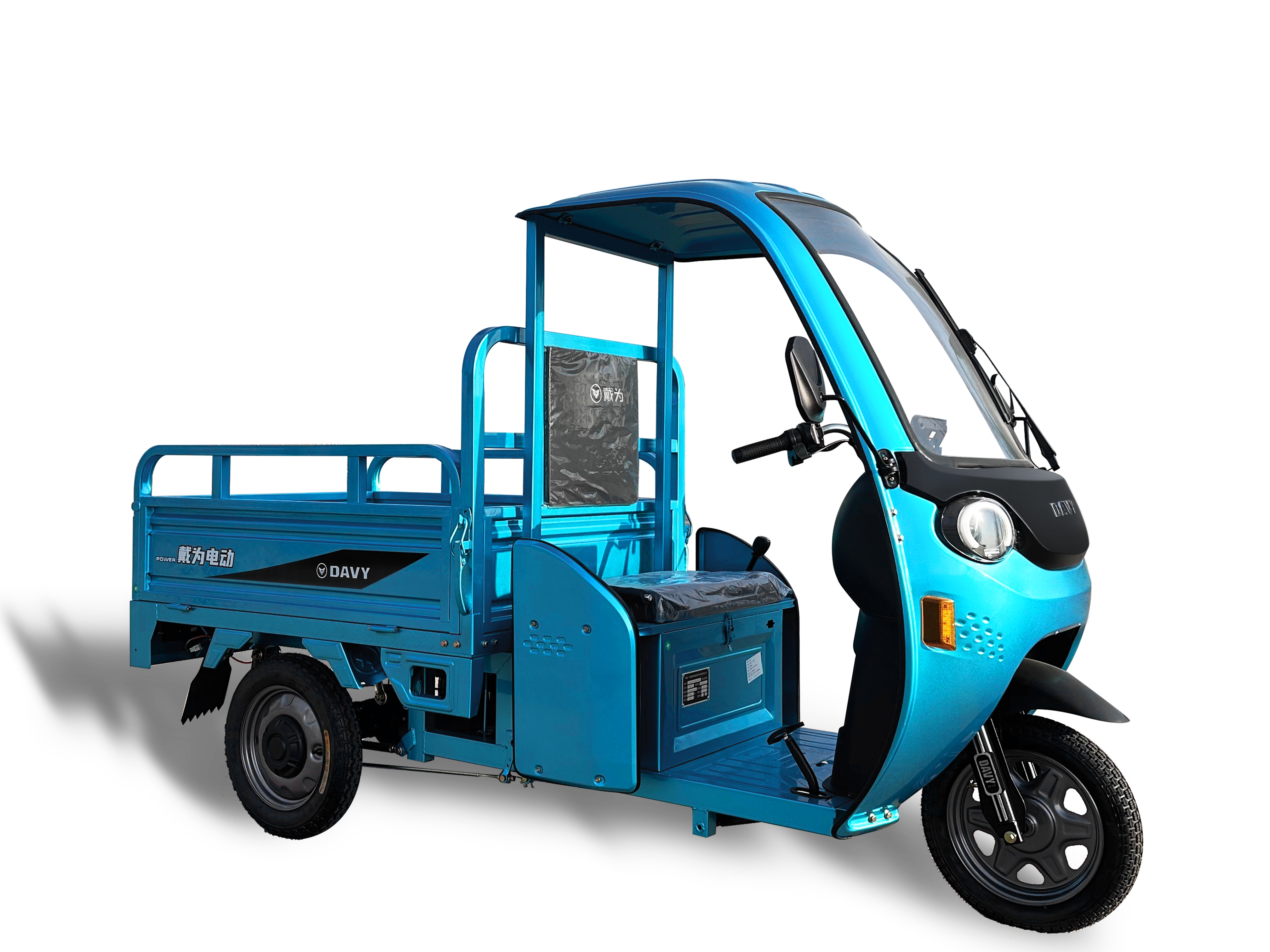
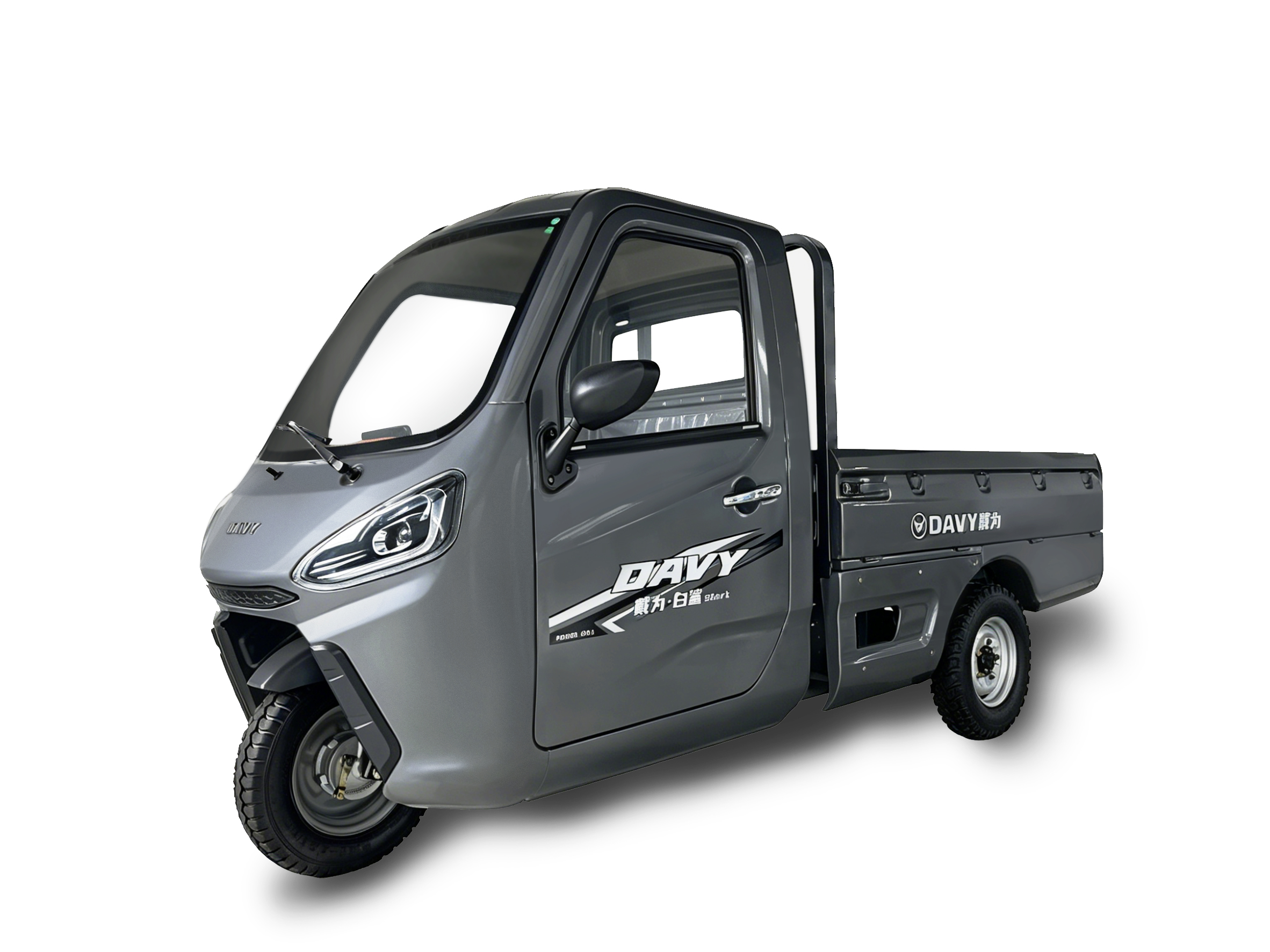
Opt for a pickup truck or specialized cargo trailer. These vehicles feature spacious cargo compartments (e.g., 1.25-meter-wide units) and exceptional load capacity—capable of withstanding 1-ton weight tests—paired with off-road tires and powerful motors, making them ideal for profitable freight transport.
2)For both passenger and cargo use or daily commuting, the flat-bed cargo variant is recommended.
This model combines the comfort of a recreational motorhome with the practicality of a truck: its front section features a semi-open convertible design for stylish weather protection, while the rear section houses a cargo bed that accommodates children during trips, supports leisure activities, and meets everyday freight needs—truly achieving the ideal balance of functionality and convenience.
Electric tricycles are no longer synonymous with low-end products; they are rapidly evolving toward new energy efficiency, smart functionality, and regulatory compliance. When making a purchase, opt for established brands that possess core patented technologies, comprehensive after-sales support, and dual certifications to ensure every ride is safe and hassle-free.
https://youtube.com/shorts/RSR6oPDmo3U?si=Yavej5m4gNEyQIrb