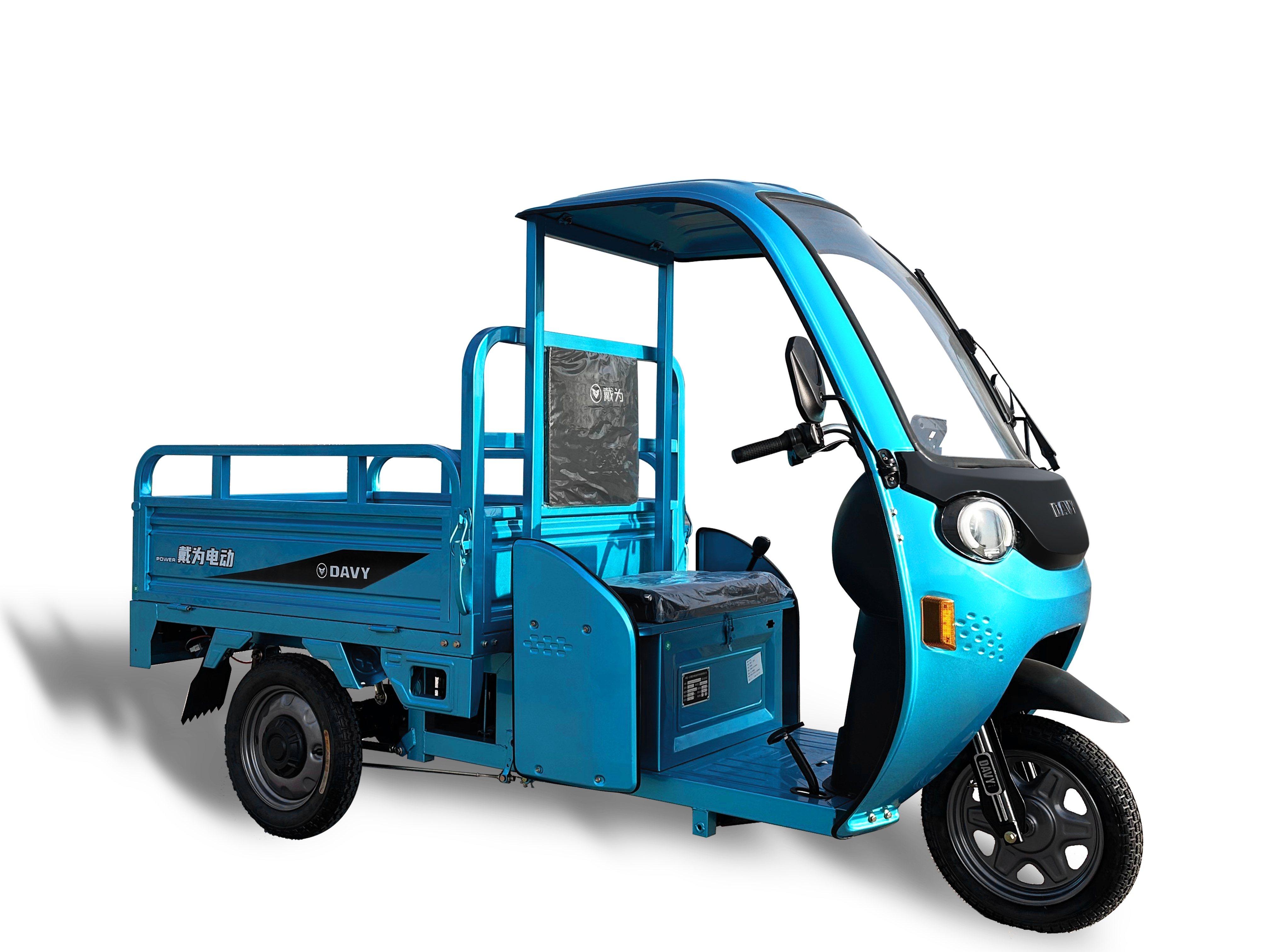
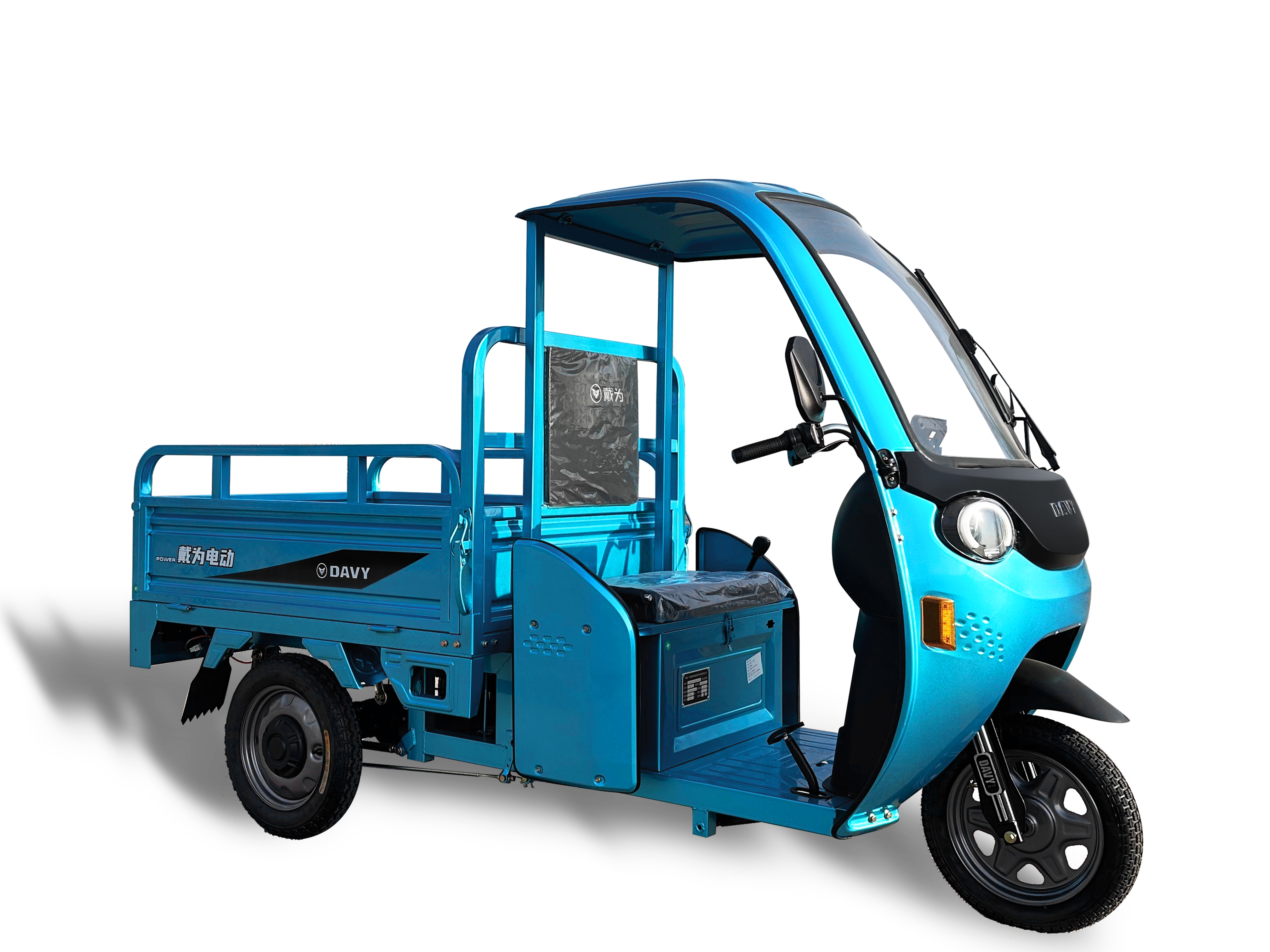
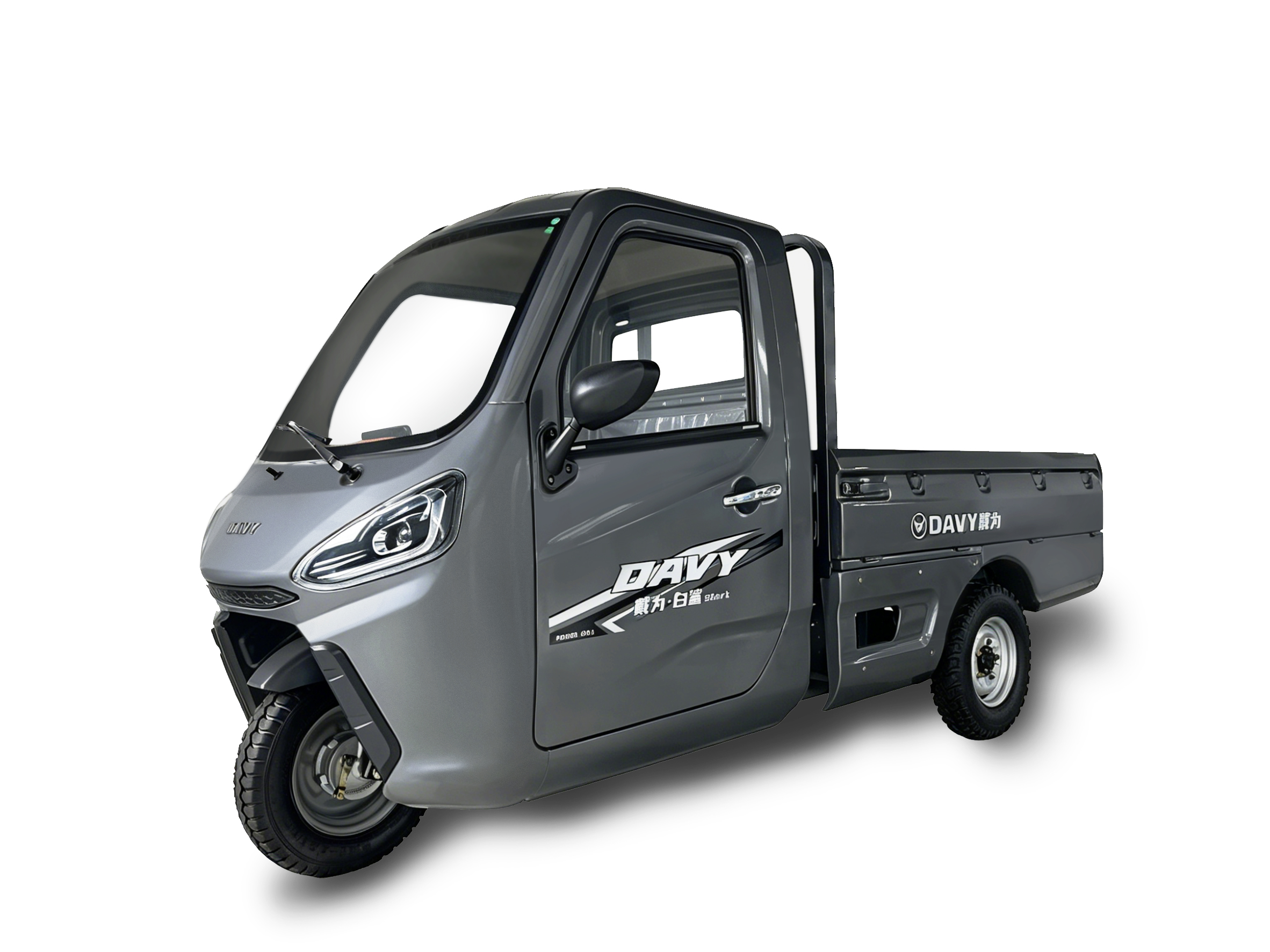
A Comprehensive Guide to Winter Battery Maintenance: How Can Jiangsu Davy Electric Tricycles Stay Fully Functional Throughout Winter?
With the sudden drop in temperature, many electric tricycle owners have noticed their vehicles experiencing rapid battery depletion and reduced range. In fact, this is not a malfunction but a normal physical phenomenon caused by low temperatures reducing the activity of chemical substances inside the battery. As a brand with extensive expertise in electric tricycles, Jiangsu Davy has not only achieved continuous technological breakthroughs but also promoted scientific vehicle maintenance practices. Today, let's explore how to ensure your Davy electric tricycle maintains strong performance throughout winter.
1. Technological Enhancement: Davy's cutting-edge "Adaptive Temperature Control" Technology
To address the industry-wide challenge of reduced range in winter, Jiangsu Davy New Energy Vehicle Technology Co., Ltd. has developed a patented technology called "An Adaptive Battery Regulation Device for Electric Tricycles." This innovation serves as a kind of "smart temperature-regulating garment" for batteries: it uses temperature sensors to monitor the battery's ambient temperature in real time and coordinates with components such as heating elements and fans to maintain the battery temperature precisely within the optimal operating range of 20°C–25°C. This not only effectively prevents capacity degradation caused by low temperatures but also safeguards against damage from high temperatures during summer, ensuring optimal vehicle performance throughout all seasons and fundamentally alleviating winter range concerns.
II. Scientific Charging: Mastering the Winter Energy-Replenishment Rhythm
Beyond advanced technology, daily charging habits significantly determine battery lifespan. When charging your electric tricycle in winter, follow these guidelines:
1. Adjust charging duration: In winter, the charging time should be slightly longer than in summer, typically maintained at 8–10 hours. When the charger indicator turns green, continue float charging for an additional 1–2 hours to ensure the battery is fully charged.
2. Avoid battery depletion and overcharging: Never wait until the battery is completely discharged before charging; it is recommended to recharge when the remaining charge reaches 20%-30%. Additionally, the total charging time should not exceed 12 hours to prevent overcharging-induced water loss or battery bulging.
3. Create a warm environment: Whenever possible, park the vehicle in an indoor garage or shelter for charging. If outdoor parking is unavoidable, it is recommended to cover the battery with a dedicated thermal insulation sleeve to minimize heat loss.
III. Riding and Storage: Details Determine Range
There are specific considerations for riding and parking your electric tricycle in winter. Paying attention to these details can help your electric tricycle travel an additional 10–20 kilometers.
1. Start gently and maintain a steady speed: In winter, motor grease becomes thicker; sudden acceleration by abruptly pressing the accelerator not only consumes excessive power but also increases motor wear. It is recommended to turn the throttle slowly and drive at a constant speed of 25–30 km/h for optimal fuel efficiency.
2. Maintain adequate tire pressure: Low temperatures can cause tire pressure to decrease, and insufficient pressure significantly increases driving resistance. It is recommended to check tire pressure monthly and maintain it within the normal range of 2.8–3.0 bar.
3. Long-term parking requires power disconnection: If the vehicle remains idle for more than one week, it is recommended to charge the battery to approximately 70% capacity and disconnect the negative terminal cable to prevent hidden discharge from components such as anti-theft devices from causing battery depletion.
IV. Safety Warning: Avoid the Pitfalls of Winter Driving
Safety always comes first when maintaining your battery. Please avoid the following common misconceptions:
1. Do not charge the battery immediately after cycling: The battery remains heated post-use, and immediate charging may create excessive temperature differences between its interior and exterior, potentially damaging the separator. It is recommended to allow the battery to rest for 30 minutes until it naturally cools down before charging.
2. Private heating is strictly prohibited: Do not use external heat sources such as hot water bottles or heating pads to directly heat the battery, as this may easily lead to thermal runaway or even fire.
3. Use the original charger: Using chargers of different specifications together may cause voltage mismatch, resulting in incomplete charging at best or battery protection board damage at worst.
Proper winter maintenance of electric tricycles relies not only on advanced temperature control technology like that offered by Jiangsu Davy, but also on the diligent daily care of users. By following these maintenance tips, your Davy electric tricycle will confidently withstand harsh winters and continue providing stable, reliable mobility throughout the season.