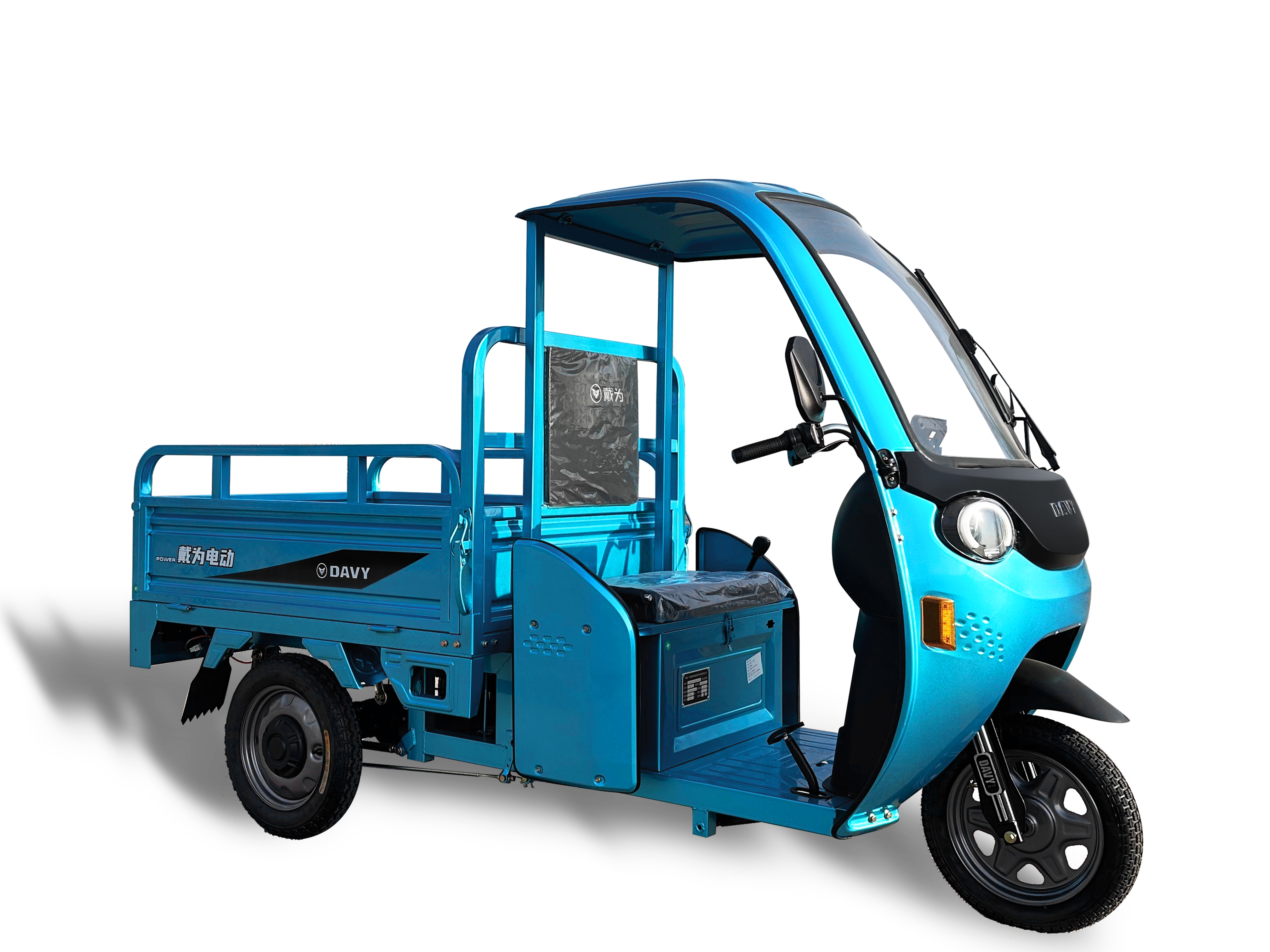
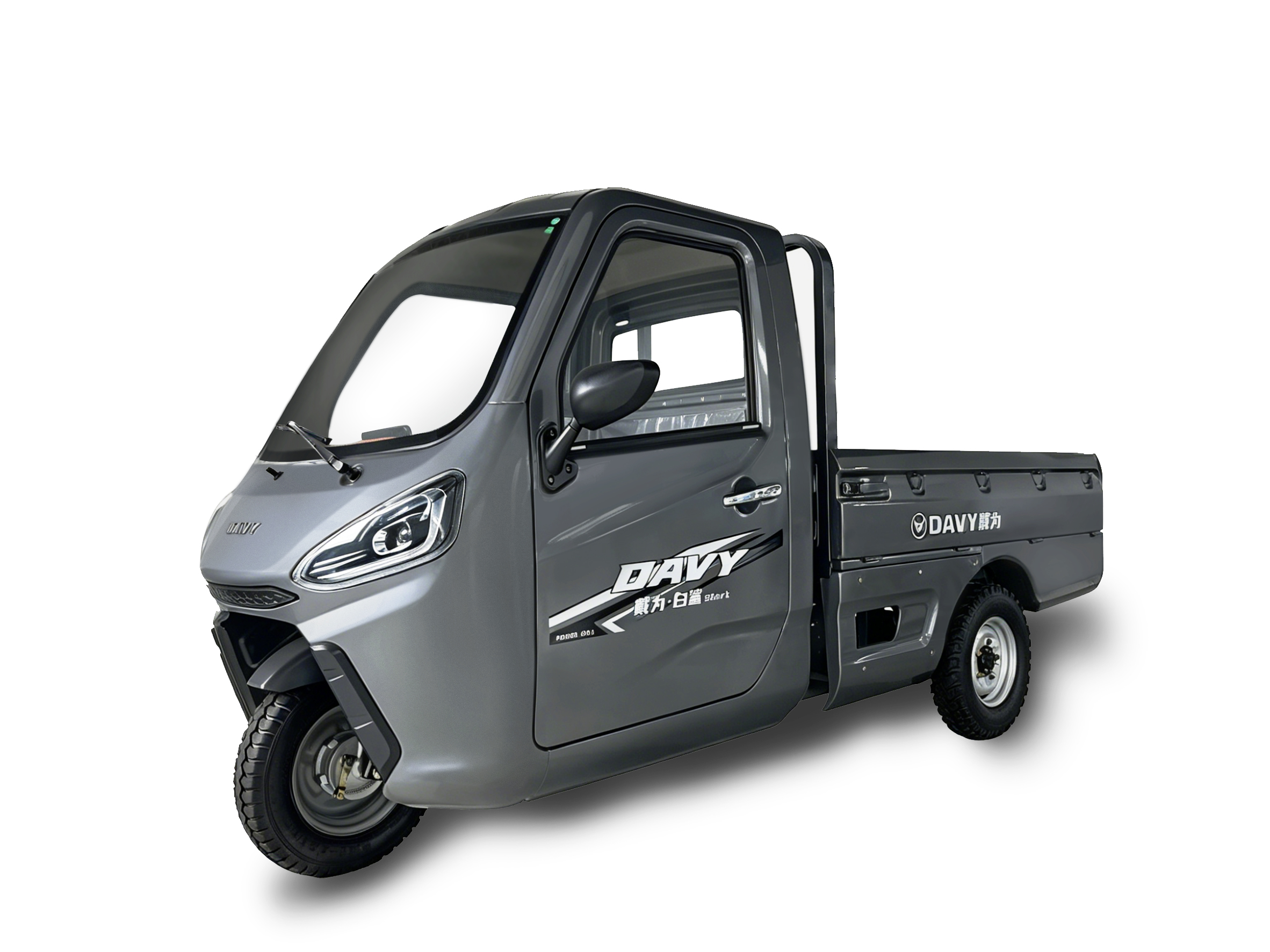
A comprehensive guide for new tricycle buyers: strictly adhering to regulatory standards, and providing step-by-step instructions on how to avoid all common pitfalls.
I fully understand the mixed feelings of excitement and fear of being taken advantage of when buying an electric tricycle for the first time. The market offers a wide variety of models, with issues like exaggerated specifications and hidden modification traps constantly emerging. To help you protect your money, we've adopted "Davy Standard" as our benchmark and will walk you through every step—from vehicle selection to delivery—explaining each detail in detail to guide you step-by-step in avoiding common pitfalls, ensuring a worry-free purchase and ride experience.
1. Before purchasing a vehicle: Compliance is the absolute requirement; reject products that meet "fake national standards".
Many novice buyers are easily misled by sellers, believing that faster performance and a cooler appearance always mean better quality, while overlooking the most crucial aspect: product authenticity.
1. Identify the compliance label
When purchasing an electric tricycle , you must first verify the compliance certification. As Davy repeatedly emphasizes in his vehicle selection guide, always choose models that meet the new national standards and are listed in the Ministry of Industry and Information Technology's catalog. This is akin to an ID card for a person—without it, your vehicle would be considered unregistered.
2. Verify 3C certification and compliance standards
When purchasing a vehicle, it is essential to verify whether it bears the CCC certification mark and carefully check the applicable standards listed on the product certificate (e.g., GB 17761-2024). These standards stipulate that genuine compliant vehicles must meet national safety regulations for every screw and electrical component, rather than being assembled through subsequent modifications.
3. Resolutely reject illegal modifications
We firmly reject vehicles that have been illegally modified, assembled, or privately upgraded to increase speed. Many manufacturers, in an effort to meet consumers 'demand for higher speeds, remove speed limits or enlarge battery compartments—a practice that is not only illegal but also compromises the vehicle's inherent safety design balance. Do not allow your beloved car to become a source of danger; compliance is the greatest assurance for safe road use.
II. When purchasing a vehicle: Use official channels and protect your financial interests.
Once you've selected your vehicle model, choosing where to purchase it and what configurations to opt for also requires careful consideration. Davy Standard strongly recommends buying from authorized manufacturers or dealerships, keeping original invoices and sales contracts to ensure the battery's legal origin—a prerequisite for accessing warranty services later on.
1. Pay attention to the braking system
When selecting specifications, prioritize battery type and braking system. For those with sufficient budget, dual front and rear disc brakes are the top choice—outperforming traditional drum brakes in heat dissipation and braking response, delivering significantly better stability during rain or snow conditions and providing crucial safety assurance in critical situations.
2. Scientific Selection of Batteries
Regarding batteries, lead-acid batteries offer high cost-effectiveness but are relatively heavy, making them suitable for short-distance commuting on fixed routes; lithium-ion batteries are lightweight and have long lifespan, ideal for users with access to charging facilities or those requiring battery replacement. A range reserve of approximately 10 kilometers should be accounted for based on daily commuting distances to avoid the inconvenience caused by range degradation during winter.
III. When picking up the vehicle: Conduct a thorough inspection and refuse any defective vehicles.
Now that we've reached the vehicle pickup stage, never sign hastily out of excitement. Remember the golden rule: "Check the vehicle first, pay later, then sign."
1. Check the vehicle license plate.
Conduct a thorough inspection of the vehicle's license plate to verify that the chassis number and motor code match exactly with the information on the certificate of conformity. These details serve as the vehicle's "fingerprint"; any discrepancy may result in registration refusal.
2. Appearance and Function Testing
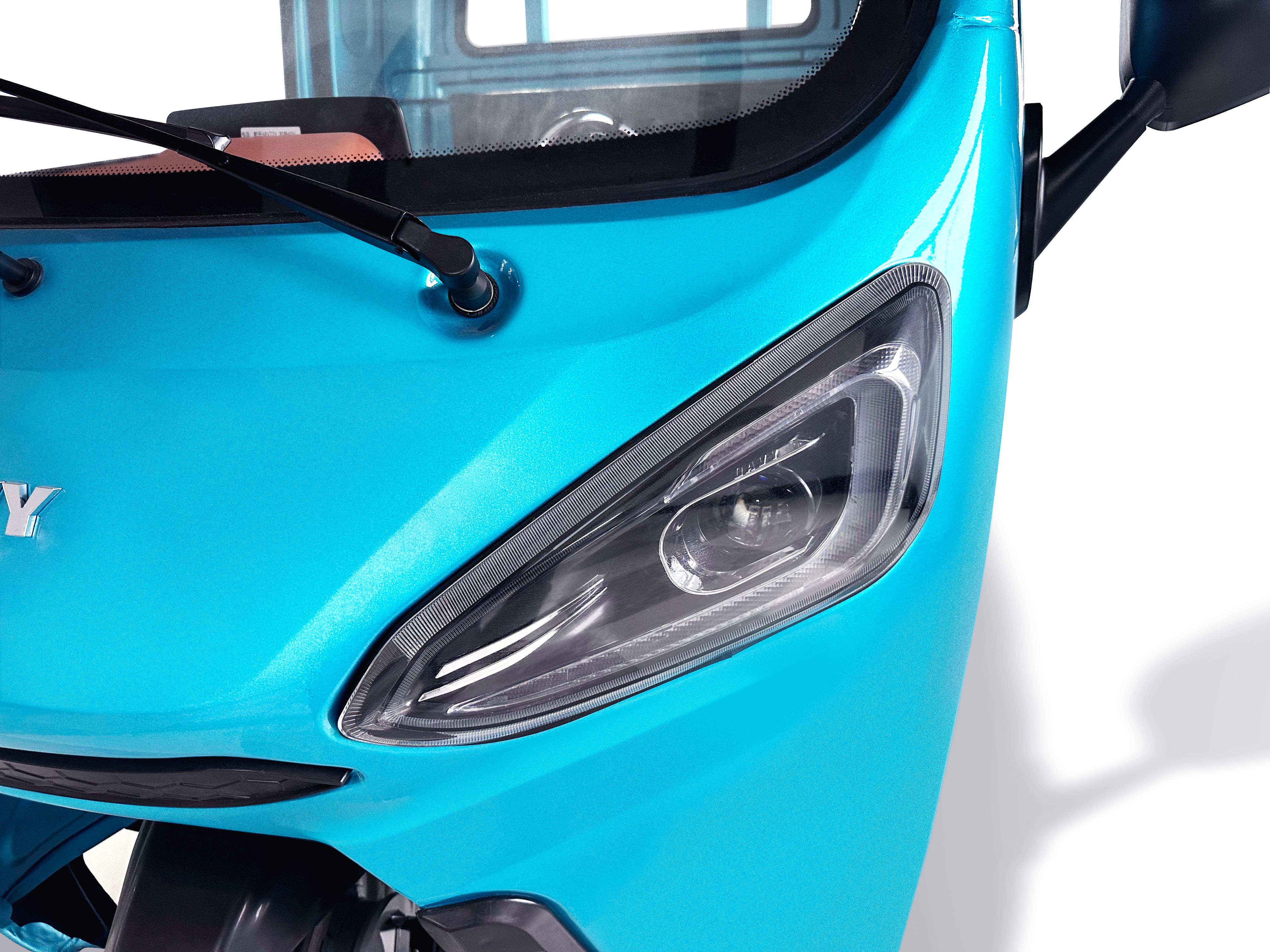
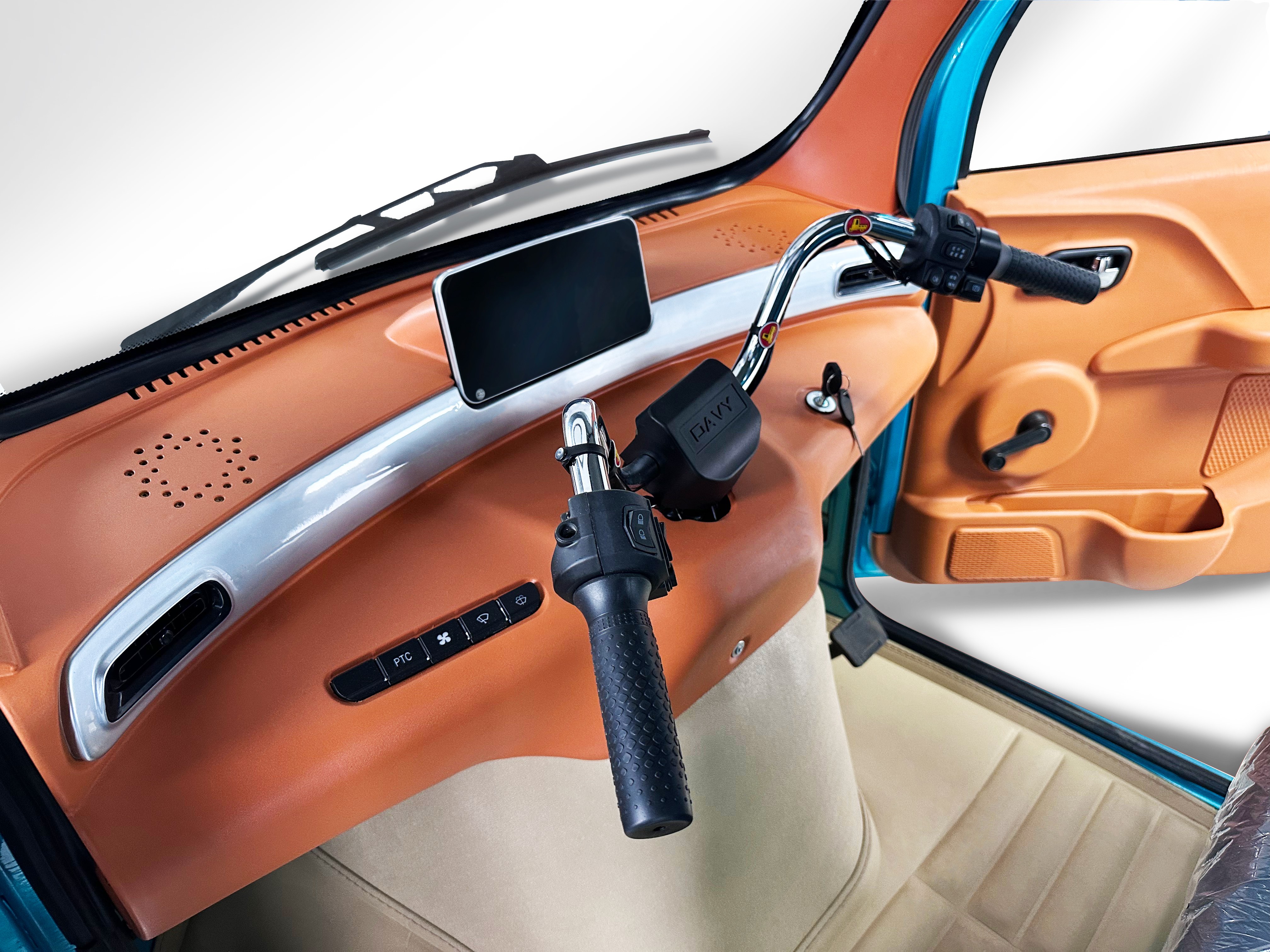
Take a full circuit inspection to check for scratches or dents on the paint surface, and press the body to verify shock absorber rebound. Next, test the functionality of lights (headlights, turn signals, brake lights), horn, instrument panel display, and ensure the brake lever feels firm.
3. Confirm that all procedures are complete
Finally, ensure you obtain a valid invoice, certificate of conformity, and warranty documentation. These are not only essential for vehicle registration but also serve as the indispensable tools for protecting your rights in the future. According to Davy's standards, a perfect vehicle must not only meet performance requirements but also have flawless documentation.
Buying a tricycle isn't like purchasing a toy—safety always comes first. We hope this comprehensive guide, tailored to meet all safety standards, will help you develop a discerning eye in this complex market and select a vehicle that is both compliant and meets your needs.